For finance teams managing operations across multiple jurisdictions, month-end closing represents one of the most challenging and time-sensitive processes in the accounting cycle. Among the various components that can delay closing, sales and use tax accruals often present the greatest complexity. CFOs, Controllers, and Tax Managers increasingly recognize that traditional manual tax accrual processes create significant bottlenecks that can extend closing cycles and increase the risk of errors.
The complexity of modern SALT (State and Local Tax) compliance has reached a tipping point for many organizations. With over 13,000 taxing jurisdictions in the United States, each with unique rates and exemptions, manual accrual calculation has become unsustainable. Automated solutions like AUTOSOLV deliver strategic transformation—streamlining accruals, improving accuracy, and accelerating closing.
The Hidden Costs of Manual Tax Accrual Processes
Traditional accrual processes involve multiple manual steps: gathering transaction data, researching tax rates, calculating accruals in spreadsheets, and reconciling balances. These tasks consume valuable time and increase the likelihood of errors. Rate research alone can take hours, as businesses must track state, county, city, and special district taxes—each with distinct rules and frequent updates.
Spreadsheet-based systems introduce version control issues and formula errors, while manual reconciliations slow audit readiness. Missing documentation or incomplete audit trails further compound the challenge.
How Automated Tax Management Software Transforms Month-End Processing
Modern automation platforms integrate directly with ERP systems to calculate accurate tax liabilities based on real-time transaction data. This eliminates manual rate research and ensures accurate accrual posting throughout the month. Automated rate determination applies jurisdiction-specific rules, product taxability, and exemption status automatically. Real-time processing enables continuous accruals, reducing last-minute month-end workloads.
Jurisdiction Management and Multi-State Compliance Automation
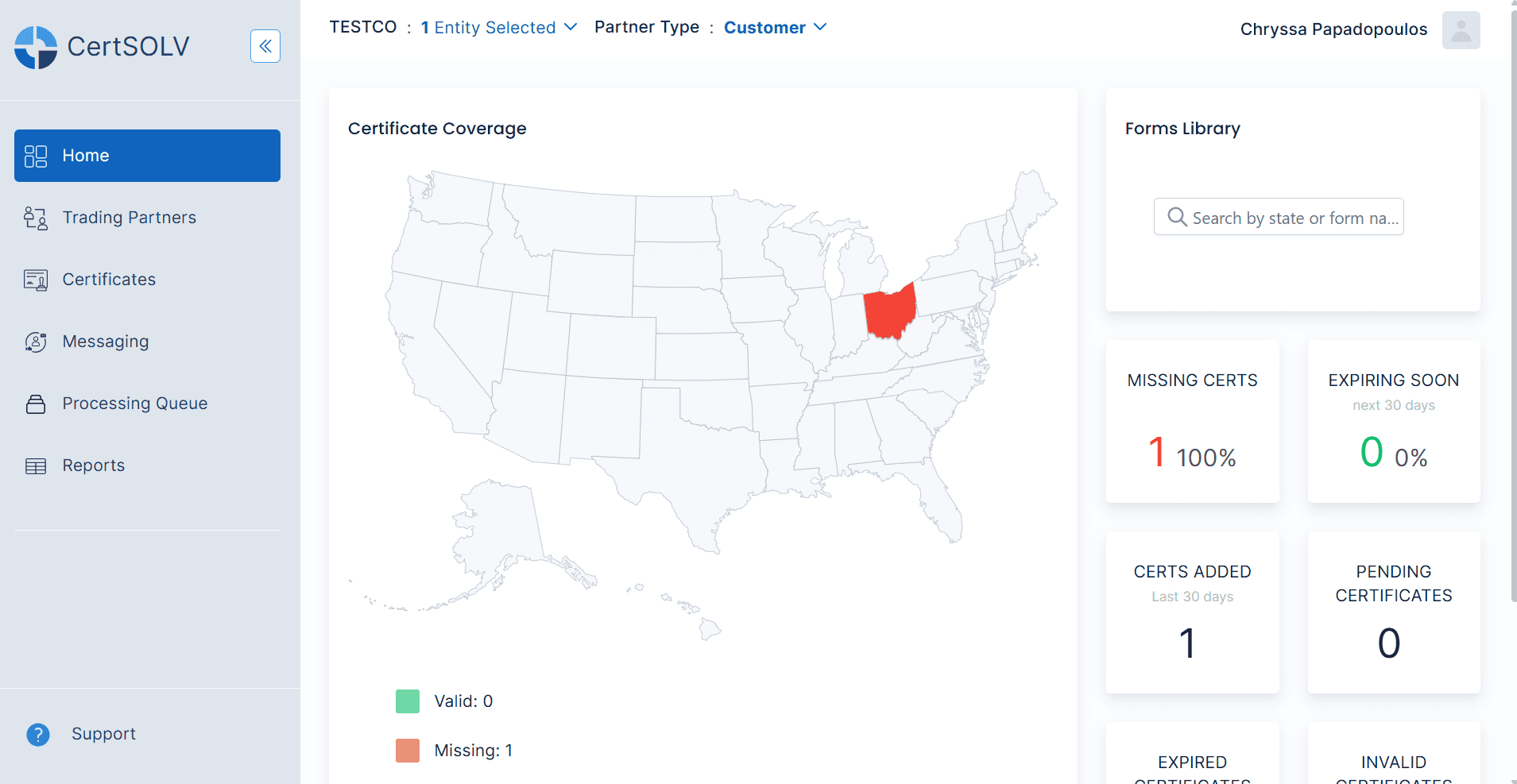
Organizations operating across multiple states face unique compliance challenges. Automation addresses these through jurisdictional mapping, nexus monitoring, and automated exemption management. Platforms like CertSOLV and AUTOSOLV identify where nexus exists, apply valid exemptions, and ensure accurate product taxability across states. This reduces compliance risk and ensures audit-ready accuracy.
Advanced Reporting and Analytics for Financial Teams
Automated reporting capabilities enable finance teams to generate detailed accrual summaries, variance analyses, and jurisdictional breakdowns in minutes. Reports highlight fluctuations, flag variances, and support audits with complete transaction-level transparency. Automation provides consistent documentation for every accrual calculation, improving confidence in financial reporting and reducing review time.
Integration Strategies and Implementation Considerations
Effective implementation depends on seamless ERP integration and workflow optimization. API-driven connectivity ensures accurate data flow between systems, eliminating redundant data entry. Organizations should evaluate current processes before deployment to maximize automation benefits. Comprehensive user training and adoption planning further ensure successful change management.
Measuring Success and Continuous Improvement
Companies that automate tax accrual processes see measurable gains in speed, accuracy, and efficiency. Many reduce closing timelines by 2–3 days and significantly improve compliance accuracy. Automation also enhances audit preparedness and employee productivity by removing repetitive manual tasks.
The evolution toward automated tax accrual management represents a strategic advantage for finance organizations. By leveraging AUTOSOLV and CertSOLV, CFOs and Controllers can transform month-end closing from a time-consuming challenge into a streamlined, data-driven process that supports faster reporting and better decisions.
ACTSOLV provides automated exemption certificate management (CertSOLV) and use tax accrual (AUTOSOLV) solutions that streamline compliance while minimizing business disruption. Contact our team to discover how our platform enhances your compliance strategy.